


Is Salicylic Acid Safe for Kids? When and How to Use It
Salicylic acid is a common ingredient in skincare products designed to help manage clogged pores, blackheads and acne. But when it comes to children, parents need to consider more than just the ingredient's benefits. Age, skin sensitivity, the product formulation and the child's individual needs all matter.
So, is salicylic acid safe for kids? It can be an option in some acne-treatment plans, but it is not necessary for every child and should not be introduced into a younger child's routine without appropriate professional guidance.
In this guide, we'll explain what salicylic acid does, what parents should know about potential side effects, and when to seek advice from a healthcare professional.
Key Takeaways
- Salicylic acid is used in some products to help manage clogged pores and acne.
- It is not essential for every child, and suitability depends on age, skin condition and product instructions.
- Possible side effects include dryness, redness, stinging, peeling and irritation.
- Parents should consult a pediatrician or dermatologist before introducing acne-treatment products to younger children.
- A gentle cleanser, moisturiser when needed and daily sun protection are a sensible starting point for basic skincare.
- Stop using a product if it causes irritation and seek professional advice if symptoms persist or worsen.
What Is Salicylic Acid and How Does It Work?
Salicylic acid is a beta-hydroxy acid (BHA) used in certain skincare and acne-treatment products. It helps loosen the buildup of dead skin cells inside pores, which can contribute to blackheads and other types of blemishes.
Unlike a physical scrub, salicylic acid works through chemical exfoliation. However, that does not mean it is automatically gentle or suitable for every child's skin. The strength, formulation, frequency of use and condition of the skin all affect the risk of irritation.
Children can develop spots or clogged pores for different reasons. Not every bump is acne, so persistent or unusual skin concerns should be assessed by a healthcare professional before treatment is started.
Is Salicylic Acid Suitable for Children's Skin?
Salicylic acid may be considered for certain acne concerns, but it should not be treated as a routine skincare essential for children. A product that is appropriate for one person may not be appropriate for another.
Before using a salicylic acid product on a child, parents should consider:
- Age: Check the product's age guidance and ask a healthcare professional whether it is suitable.
- Skin condition: Dry, irritated, broken or eczema-prone skin may need a different approach.
- Product formulation: Cleansers, leave-on treatments and other products can differ in strength and exposure time.
- Other skincare products: Combining several active ingredients can increase the risk of dryness and irritation.
- Existing skin concerns: Persistent, painful or worsening acne may require professional assessment.
For a younger child, start by discussing the concern with a pediatrician or dermatologist rather than selecting an acne treatment based on age alone.
Potential Benefits of Salicylic Acid for Acne
When a healthcare professional considers it appropriate, salicylic acid may help with some types of acne. Its potential benefits include the following.
1. Helps Unclog Pores
Salicylic acid helps loosen dead skin cells that contribute to clogged pores. This is why it is used in some products intended for blackheads and whiteheads.
2. Supports the Management of Blackheads
Blackheads form when pores become clogged and the material inside the pore darkens after exposure to air. Salicylic acid may help manage this type of congestion, but results vary and it does not guarantee that blackheads will disappear.
Parents looking for basic care can also read our guide to Blackheads on a Kid's Nose: Safe Routine (Ages 8–12) for gentle skincare guidance.
3. May Help with Some Mild Acne Concerns
Salicylic acid is one of several ingredients used in acne care. Whether it is suitable for a child depends on the type and severity of the acne, the product and professional advice. It should not be presented as a guaranteed way to prevent all future breakouts.
When Should a Child Start Using Salicylic Acid?
There is no single age at which every child should start using salicylic acid. The decision depends on the child's skin concerns, product labelling and individual circumstances.
For younger children, especially those who are not yet teenagers, consult a pediatrician or dermatologist before introducing an acne-treatment product. A professional can help determine whether the spots are acne and whether treatment is necessary.
Do not start salicylic acid simply because a child has reached a particular birthday or because the ingredient is popular on social media. If the concern is mild, a simple routine may be all that is needed while you monitor the skin.
How Should Parents Approach Salicylic Acid Products?
If a healthcare professional recommends a salicylic acid product, follow the specific product instructions and the professional's advice. Do not assume that every product containing the ingredient should be used in the same way.
Salicylic Acid Cleansers
Some cleansers contain salicylic acid to help manage clogged pores. Before using one on a child, check the age guidance and ask a healthcare professional whether the formulation is appropriate. Avoid vigorous rubbing and follow the directions on the label.
Leave-On Treatments
Leave-on products may keep the ingredient in contact with the skin for longer than a rinse-off cleanser. This can affect the risk of irritation. Use a leave-on treatment on a child only when it is appropriate for their age and has been recommended by a qualified healthcare professional.
Pimple Patches
Pimple patches vary in their ingredients. Some are simple hydrocolloid patches, while others contain active ingredients. Do not assume that every patch is suitable for children. Check the label and seek professional advice before using medicated patches on younger skin.
Possible Side Effects of Salicylic Acid in Children
Salicylic acid can cause side effects, especially if a product is unsuitable, used too frequently or applied to irritated skin. Parents should watch for:
- Dryness or tightness
- Redness or irritation
- Stinging or burning
- Peeling or excessive flaking
- Increased discomfort or worsening skin irritation
Stop using the product if irritation develops. Seek medical advice if symptoms persist, become severe or worsen.
Using excessive amounts, applying the product over large areas or using it on broken skin can increase the risk of unwanted effects. Keep medicated skincare products out of children's reach and follow all label warnings.
What Is a Gentle Skincare Routine for Kids?
Children do not usually need a complicated routine with several active ingredients. A simple approach is a better starting point for everyday care.
Step 1: Gentle Cleansing
Use lukewarm water and a gentle cleanser appropriate for the child's age and skin. Avoid harsh scrubs, rough washcloths and vigorous rubbing.
Step 2: Moisturising When Needed
If the skin feels dry or tight, apply a suitable moisturiser. Choose a product that works for the child's skin and stop using it if irritation occurs.
Step 3: Sun Protection
Use a broad-spectrum sunscreen with SPF 30 or higher when appropriate, following the label directions. Reapply as directed, especially during outdoor activities.
For more age-specific guidance, read How to Start a Skincare Routine for a 9-Year-Old or our guide to Skin Care for 11-Year-Olds: A Safe & Gentle Routine.
When Should Parents Consult a Healthcare Professional?
Speak with a pediatrician or dermatologist before starting an acne treatment for a younger child, particularly if you are unsure whether the skin concern is acne.
Professional advice is especially important when:
- Spots are painful, widespread, persistent or getting worse.
- The skin is very red, swollen, broken or irritated.
- Your child has eczema or another existing skin condition.
- Several skincare products have already been tried without improvement.
- The skin concern is affecting your child's confidence or wellbeing.
A healthcare professional can help identify the cause of the problem and recommend an appropriate treatment if one is needed.
Conclusion: Is Salicylic Acid Safe for Kids?
Salicylic acid can have a role in acne care, but it is not automatically suitable for every child. Age, skin sensitivity, the formulation and how the product is used all matter. Parents should seek professional guidance before introducing it to a younger child's skincare routine.
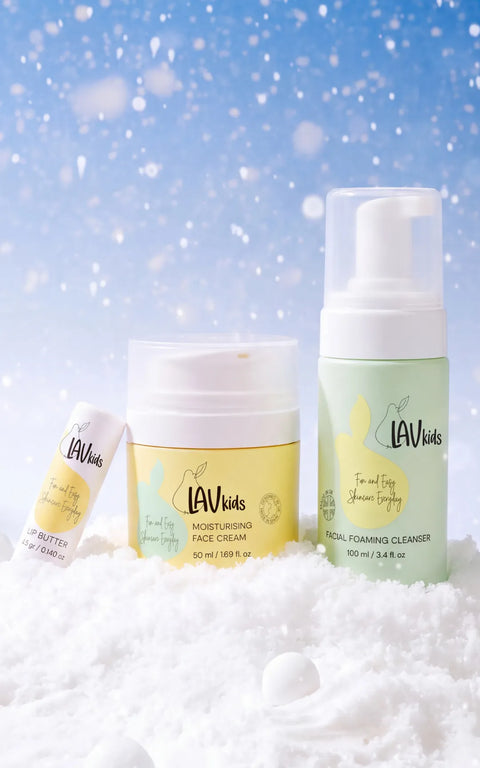
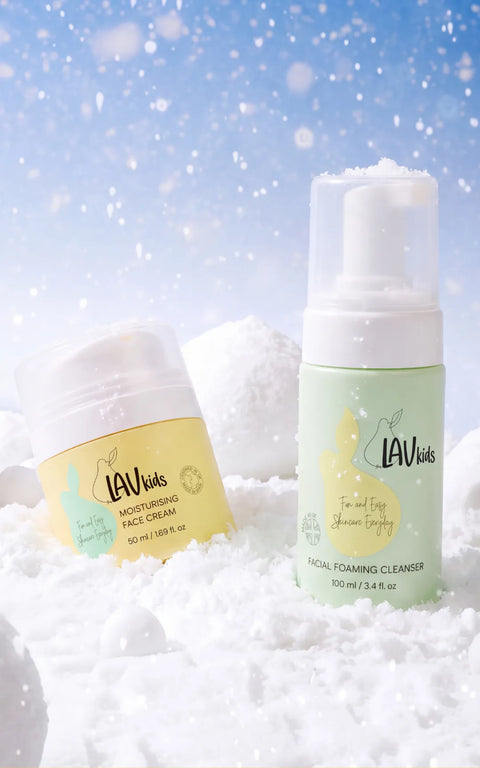
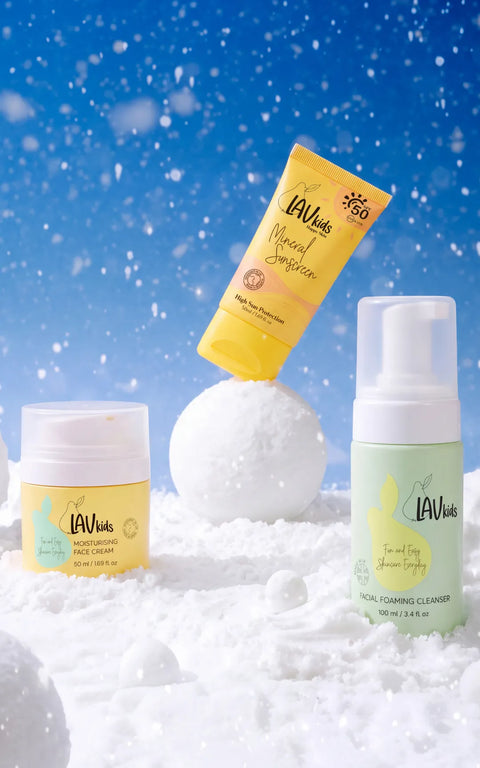
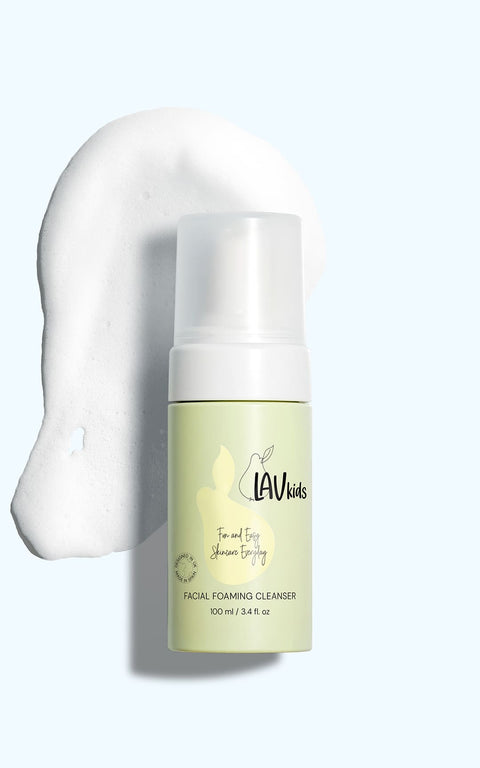
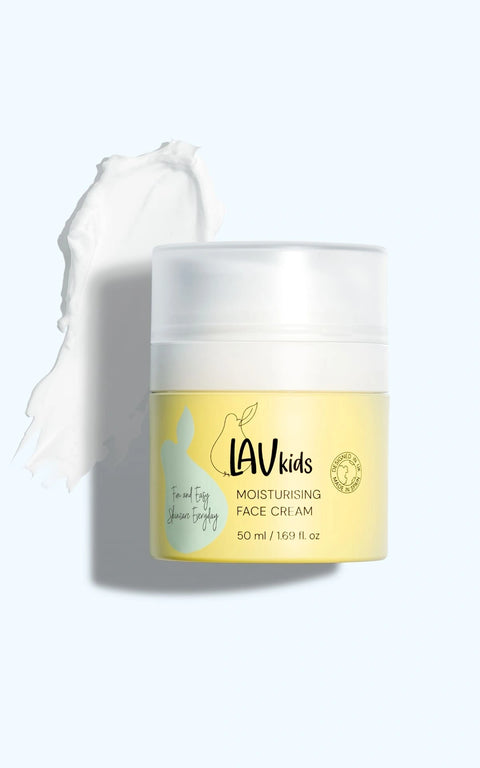
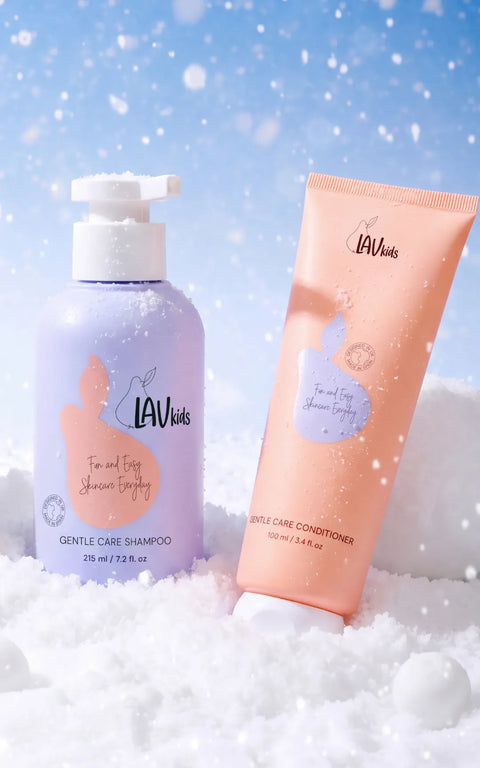
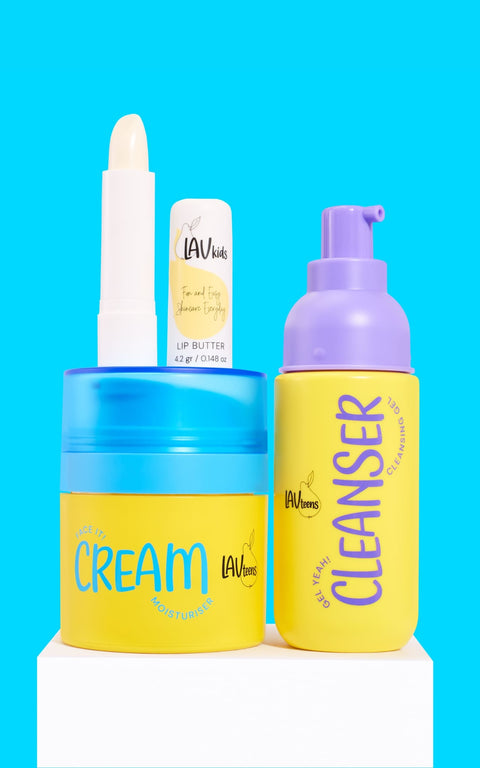
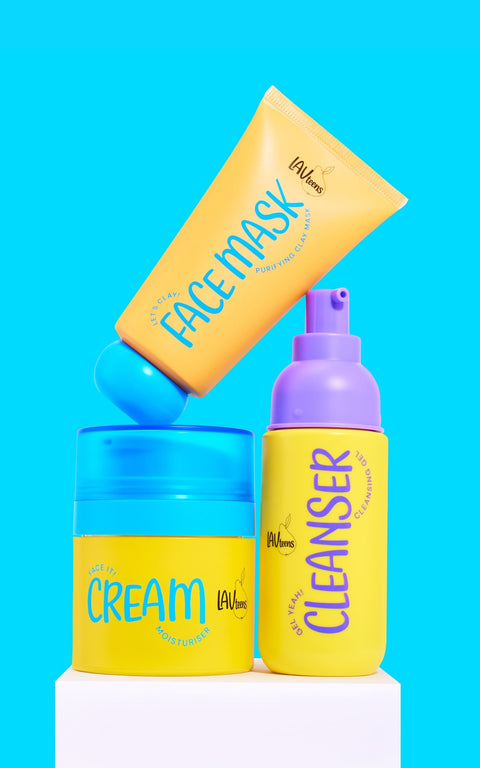
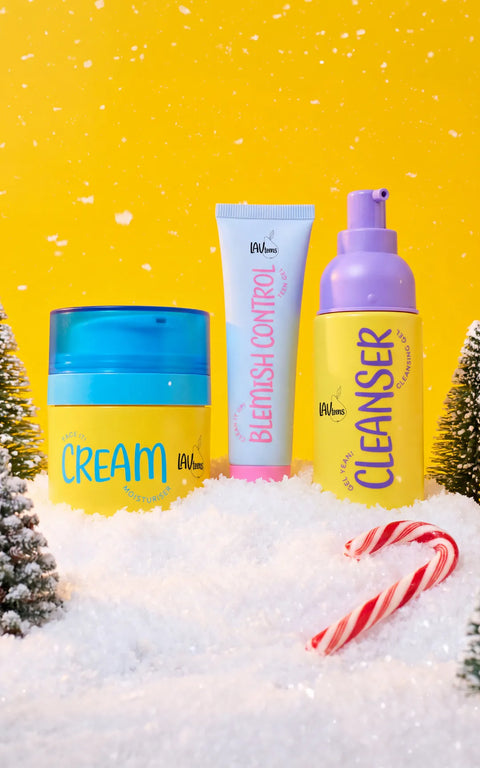
For everyday care, keep things simple and focus on gentle cleansing, moisturising when needed and sun protection. Explore the Lav Kids Skincare Collection to discover age-appropriate skincare options, and check each product's ingredients, intended age group and directions before use.
The goal is to support comfortable, healthy skin without unnecessary products or harsh treatments.
Frequently Asked Questions
1. Is salicylic acid safe for kids?
It may be appropriate for certain acne concerns, but not for every child. Ask a pediatrician or dermatologist before using it on a younger child.
2. Can a 9-year-old use salicylic acid?
Do not decide based on age alone. A healthcare professional should assess the child's skin concern and advise whether a particular product is appropriate.
3. Can a 12-year-old use salicylic acid?
Some products may be suitable for certain older children, depending on their formulation and label directions. Check the age guidance and consult a healthcare professional before starting treatment.
4. Can salicylic acid irritate sensitive skin?
Yes. Possible effects include dryness, redness, stinging and peeling. Children with sensitive or irritated skin should receive professional advice before using an acne treatment.
5. How often should a child use salicylic acid?
There is no single schedule suitable for every child or product. Follow the specific label and healthcare professional's instructions rather than increasing frequency on your own.
6. Can salicylic acid be used for blackheads on a child's nose?
It may help with clogged pores in some cases, but first establish whether treatment is necessary. For younger children, seek professional advice before using an acne-treatment product.
7. What should parents do if irritation develops?
Stop using the product and seek medical advice if irritation persists, worsens or becomes severe. Do not apply additional active ingredients to try to counteract the reaction.
8. What is the simplest skincare routine for kids?
A gentle cleanser, moisturiser when needed and daily sun protection are a practical starting point. Additional treatments should be based on the child's needs and professional advice.


