Sunscreen for Kids: A Safe, Organic, and Non-Toxic Guide
Spending time outdoors is a vital part of childhood. Running through sprinklers, building sandcastles, and playing in the park are memories in the making. As parents, keeping those moments happy and healthy means making sun protection a top priority. Children have incredibly delicate skin that is far more vulnerable to sun damage than adult skin, making the right protection essential.
Recently, there has been a significant shift in parent awareness regarding safe and non-toxic skincare products. We are paying closer attention to ingredient labels, looking for formulas that protect our children without exposing them to unnecessary chemicals. Finding the right sunscreen for kids is a crucial part of this journey. Many families are even turning to organic sunscreen for kids to ensure the purest possible ingredients.
At Lav-Kids, we believe gentle, safe skincare should be simple for every parent. Navigating the crowded aisles of skincare products can feel overwhelming, but understanding a few key concepts can make the decision much easier. This guide will walk you through everything you need to know about keeping your little ones safe in the sun.
Why Sunscreen for Kids Is Different from Adult Sunscreen
Children are not just miniature adults, and their skin reflects that. A child's skin is thinner, more sensitive, and continues to develop during their early years. Because their skin barrier is less mature, it can easily absorb chemicals and is more prone to irritation, dryness, and allergic reactions.
Adult sunscreens often contain strong fragrances, preservatives, and chemical UV filters designed for mature skin. While these ingredients might be perfectly fine for you, they can cause rashes or stinging for your child. Formulations designed specifically for children are generally much milder. They lean heavily on mineral-based active ingredients and eliminate unnecessary additives. Choosing the best sunscreen for kids matters because it helps protect their skin from painful sunburns today while setting the foundation for long-term skin health.
What Makes a Sunscreen Safe for Kids?
When evaluating a safe sunscreen for kids, you want to look at a few specific safety factors that dermatologists recommend. First and foremost is broad-spectrum protection. The sun emits different types of ultraviolet light, primarily UVA and UVB rays. UVA rays penetrate deeply and cause premature aging, while UVB rays are responsible for sunburns. A broad-spectrum formula protects against both.
Next, pay attention to the Sun Protection Factor (SPF). The American Academy of Pediatrics recommends using a sunscreen with an SPF of 30 or higher for children. SPF 30 blocks about 97% of UVB rays, providing a strong defense for outdoor play. Finally, look for dermatologist-tested formulas. These products have undergone clinical testing to ensure they are hypoallergenic and suitable for sensitive skin. Finding a non toxic sunscreen for kids that meets these criteria gives you peace of mind while they play.
Understanding Non-Toxic Sunscreen for Kids
The term "non-toxic" is used frequently in the skincare world, but what does it actually mean for your child? In the context of sun care, a non-toxic formula is one that is free from harmful chemicals that could disrupt a child's delicate system or irritate their skin.
When reading labels, there are a few specific ingredients you might want to avoid:
- Oxybenzone: A common chemical UV filter that has been linked to allergic skin reactions and potential hormone disruption.
- Parabens: Used as preservatives to extend shelf life, parabens can cause skin irritation and are widely avoided in pediatric skincare.
- Artificial fragrances: Synthetic scents are a leading cause of contact dermatitis in children.
By choosing products formulated without these additives, you provide a gentle, effective barrier against the sun without relying on harsh chemicals.
Why Many Parents Prefer Organic Sunscreen for Kids
Organic skincare is more than just a trend; it is a conscious approach to health and wellness. In simple terms, organic products are made using ingredients grown without synthetic pesticides, herbicides, or genetically modified organisms. When you choose an organic sunscreen for kids, you are opting for a product packed with plant-based ingredients like soothing aloe vera, shea butter, and natural oils.
These skin-friendly formulations offer deep hydration along with sun protection. Because organic ingredients are grown and processed with strict standards, they are incredibly gentle on sensitive skin. Furthermore, organic formulas are often an eco-conscious choice. They tend to be biodegradable and free from chemicals that harm coral reefs and marine life, making them better for your child and the planet.
Types of Sunscreen for Kids: Mineral vs. Chemical
Sunscreens generally fall into two categories based on how they filter ultraviolet light: mineral and chemical.


Mineral Sunscreen


Daily Face Routine

Complete Face Trio
Mineral sunscreens use active ingredients like zinc oxide and titanium dioxide. These minerals sit on the surface of the skin and act like a physical shield, reflecting and scattering the sun's rays away from the body. Because they do not penetrate the skin, they are widely considered the safest option for children and babies over six months old.
Chemical sunscreens, on the other hand, contain ingredients that absorb into the skin. They work by absorbing UV rays, converting them into heat, and then releasing that heat from the body. While effective, chemical sunscreens are more likely to cause allergic reactions in children. This difference in mechanism is exactly why pediatricians consistently recommend mineral options for younger, more sensitive skin.
How to Choose the Best Sunscreen for Kids
Selecting the best sunscreen for kids becomes much easier when you follow a simple checklist. Keep these factors in mind during your next shopping trip:
- SPF Level: Ensure the product offers at least SPF 30 and broad-spectrum coverage.
- Water Resistance: Kids sweat and play in the water. Look for formulas that offer up to 80 minutes of water resistance.
- Skin Type: If your child has very dry skin or eczema, seek out formulas with added moisturizers like oatmeal or calendula.
- Texture: Consider what works best for your family. Creams provide thorough coverage, lotions are easy to spread, and sunscreen sticks are incredibly convenient for the face, ears, and hands.
How to Apply Sunscreen on Kids Properly
Even the best formulation won't work effectively if it isn't applied correctly. Timing is everything. Try to apply sunscreen about 15 to 20 minutes before your child goes outside. This allows the product to settle evenly on the skin.
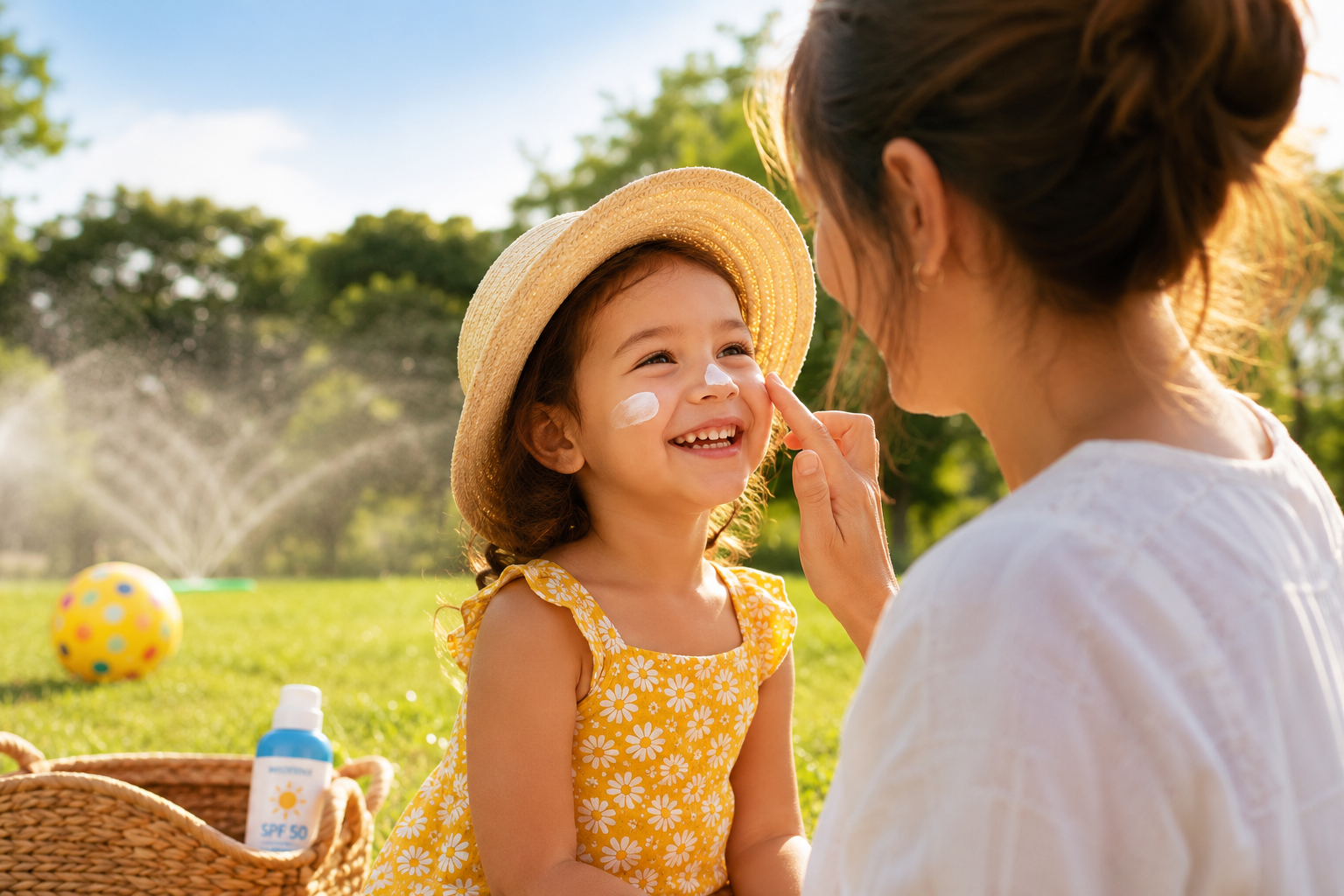
Reapplication is just as important as the initial layer. You need to reapply sunscreen every two hours, or immediately after swimming, heavy sweating, or towel drying. When applying the lotion, take care not to miss easily forgotten spots. The tops of the feet, the back of the neck, and the tips of the ears are common areas for accidental sunburns. A great parenting trick is to apply sunscreen while your child is strapped into their car seat or high chair, minimizing the wiggling.
Common Mistakes Parents Make with Kids’ Sunscreen
We all want to do our best, but certain sun safety mistakes are easy to make during a busy day. One of the most common errors is skipping reapplication. A single morning application will not protect a child through an entire afternoon at the park.
Another frequent mistake is using too little product. To get the full SPF protection listed on the bottle, you need to apply a generous, even layer over all exposed skin. Parents also sometimes ignore sun protection on cloudy days. Up to 80% of the sun's UV rays can penetrate through clouds, meaning sunburns can happen even when the sun isn't shining brightly. Finally, relying on adult sunscreen for kids in a pinch can lead to unexpected skin irritation.
Building a Simple Sun Protection Routine for Kids
Sunscreen is a powerful tool, but it works best as part of a broader sun protection strategy. Combining sunscreen with other protective measures ensures your child stays comfortable all day long.
Encourage your kids to wear wide-brimmed hats that shade their face, neck, and ears. Invest in lightweight protective clothing with a UPF (Ultraviolet Protection Factor) rating, which acts as a physical barrier against the sun. Whenever possible, seek shade during the sun's peak hours between 10 a.m. and 4 p.m. At Lav-Kids, we encourage a balanced approach to sun care—where protection feels easy and part of everyday play.
Gentle Skincare Matters: Choosing Products You Can Trust
As parents, you deserve transparency regarding the products you bring into your home. The skincare industry can be complicated, but building a routine based on trust and ingredient awareness simplifies everything. Brands like Lav-Kids focus on creating kid-friendly formulations that prioritize safety, comfort, and simplicity. By prioritizing products with clear labels, safe ingredients, and rigorous testing, you can focus less on reading fine print and more on enjoying time with your family.
Keeping Sun Protection Simple and Stress-Free
Safeguarding your child's skin from the sun is one of the most important aspects of their daily care routine. By understanding the unique needs of their delicate skin, you can confidently choose products that offer genuine protection. Prioritize safety first by looking for broad-spectrum, mineral-based formulas. Embrace non-toxic choices to avoid unnecessary irritation, and consider organic options where possible to nourish their skin with the best nature has to offer.
With the right sunscreen for kids, protecting their skin becomes a simple and stress-free part of daily care. Equip yourself with a gentle formula, a reliable sun hat, and a little preparation, and you will be ready for endless days of safe, sunny adventures.
Frequently Asked Questions
For children, it’s recommended to use a sunscreen with at least SPF 30. This level blocks about 97% of harmful UVB rays and provides effective protection for everyday outdoor activities.
Yes, mineral sunscreens are generally considered safer for kids. They sit on top of the skin and reflect UV rays, whereas chemical sunscreens absorb into the skin and may cause irritation or allergic reactions in sensitive skin.
Sunscreen should be reapplied every two hours. You should also reapply immediately after swimming, sweating, or towel drying to ensure continuous protection.
Absolutely. Up to 80% of UV rays can pass through clouds, so applying sunscreen is essential even when the weather seems overcast.