Paraben Free Skincare for Kids: Safe Steps for Healthier Skin
Nothing feels worse than seeing your child’s skin break out from a product you trusted to protect them.
Children’s skin works hard every day. It rubs against uniforms, playground dust, chlorine, crayons, and sometimes last night’s face paint that refused to budge. Beneath all that, their skin is thinner, more reactive, and still developing, which is why many parents now examine every bottle more carefully and shift toward paraben free skincare.
Parabens are preservatives that stop products from growing bacteria or mould, but some types are restricted or banned for young children. With worries about irritation and possible hormone related effects, many families are moving to paraben free skin care for daily use.
Key Takeaways
-
Children’s skin is thinner, loses moisture faster, and reacts more easily than adult skin, which makes gentle, age-appropriate care essential.
-
Paraben free skincare uses alternative, approved preservatives instead of parabens to keep products fresh and safe.
-
Preservatives still matter in kids’ products because they prevent bacteria and mould in water-based creams, washes, and gels.
-
As children grow, their skin barrier strengthens, but dryness and sensitivity remain common, making strong adult actives unnecessary.
-
A simple routine – gentle cleansing, light moisturising, and daily sun protection is most effective when built with paraben free skin care products made for young skin.
Paraben Free Meaning and Why It Matters
Paraben free meaning is simple – the product does not contain members of the paraben family (like methylparaben, ethylparaben, propylparaben, or butylparaben), which are commonly used as preservatives in cosmetics and personal care.
Parabens stop creams, shampoos, and makeup from turning into a home for fungi and bacteria. Without some kind of preservative, many water-based products would spoil long before the bottle is empty.
Why are parents cautious?
-
Some parabens have been studied for potential hormone-like activity (they can weakly mimic estrogen in lab tests).
-
The EU has banned several parabens altogether and restricted the level of others, especially in products for young children and in leave-on formulas.
-
Parabens have been found in human tissues and in the environment, raising questions about long-term, low-level exposure.
Most major regulators still consider some parabens safe within strict limits, but many parents feel more comfortable choosing paraben free skin care for kids, especially when there are plenty of gentle alternatives. For a child who already has eczema, allergies, or very reactive skin, cutting out potential irritants is one more way to keep the routine calm and simple.
What Role Do Preservatives Play in Skin Care Products?
Preservatives are the behind the scenes helpers that keep water-based lotions, creams, and washes safe to use. They:
-
Stop mould and bacteria from growing in the bottle.
-
Keep texture, colour, and scent stable for longer.
-
Help products stay safe for months after opening.
Organic and clean brands like Lav Kids still use preservatives – just different ones.
For kids, the sweet spot is:
-
Yes to preservatives (so the product is hygienic and stable)
-
No to overly strong or unnecessary ones for such young skin
Brands can choose milder, well-tested alternatives and still give children safe, long-lasting products that suit their delicate skin.
What Changes Occur in a Child’s Skincare Needs Over Time?
Children don’t have the same skin at three months, three years, and thirteen. Their skin structure and barrier strength shift slowly as they grow.
Newborn to 1 year
-
Skin barrier is still developing and loses water more easily.
-
Natural moisturising lipids are lower, as a result dryness and irritation show up quickly.
-
pH is closer to neutral, which affects how well the barrier can defend against irritants.
Here, the priority is – mild cleansing, short baths, and rich but gentle moisturising to support the barrier.
Early childhood (3–5 years)
-
The epidermis thickens and lipid production increases, so the barrier is stronger.
-
Skin still gets dry on cheeks, hands, and around the mouth, especially with weather changes, frequent hand washing, or messy play.
Kids at this age often enjoy fun textures and bubbles, which means parents need to watch that fragranced foams and glittery soaps don’t undo that progress.
Late childhood (6–12 years)
-
Skin behaves more like adult skin but still tends to dryness and sensitivity, especially in winter or after sports and swimming.
-
Early hormonal shifts can cause a bit of shine on the nose and chin or the first tiny bumps.
At every stage, keeping products gentle and age-appropriate matters more than having a long routine. Heavy anti-ageing serums, strong acids, or adult acne treatments are not necessary for kids and can upset an otherwise healthy barrier.
How to Build a Paraben-Free Skincare Routine for Kids
A child’s routine can stay short and still feel special. Most kids do well with three basic steps, using skincare that’s made for young, sensitive skin.
1. Gentle cleansing
-
Use a mild, soap-free cleanser or paraben free shower gel for the body and face.
-
Keep water lukewarm and take showers for around 10–15 minutes.
-
Pat dry with a soft towel instead of rubbing.
For kids who treat bath time like a water park, this step is more about rinsing off sweat, sunscreen, and playground dust without stripping natural oils.
2. Light moisturising
-
Apply a paraben free moisturiser or body lotion on slightly damp skin right after bathing.
-
Focus on dry areas like cheeks, elbows, knees, and hands.
-
For very dry or eczema-prone patches, look for formulas with soothing ingredients like oat, glycerin, shea butter, or ceramides.
Hydrated skin is less likely to itch, crack, or sting, especially in winter or after swimming.
3. Sun protection
-
Use a child-friendly SPF on exposed areas every day they spend time outdoors, even when it’s cloudy.
-
Reapply during long play sessions, swimming, or sports.
-
Hats, caps, and long sleeves help with extra protection.
You don’t need a dozen bottles. One cleanser, one moisturiser, and one sunscreen keeps the routine easy to repeat and kinder to growing skin.
Experience Lav Kids Organic Skincare Products for Kids
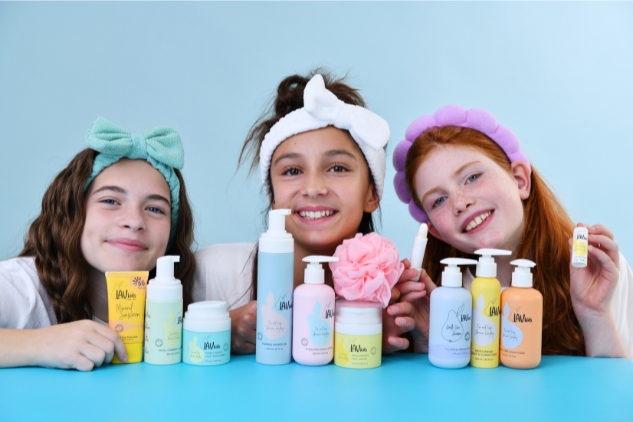
Lav Kids is created for exactly this phase of life – the years when kids want their own products, but parents still want formulas that respect delicate skin. The range focuses on soft, plant-based ingredients and paraben free skin care that fits real family routines.
-
A paraben free body wash or gel lets kids wash away the day without strong detergents or heavy perfume. It keeps bath time fun but doesn’t leave the skin feeling tight.
-
A daily paraben free moisturiser helps lock in hydration after the bath, keeping knees, elbows, and cheeks stay comfortable rather than scratchy.
-
A mild paraben free shower gel or foam can double up for body and sometimes face, so you’re not juggling too many bottles around the tub.
Together, these paraben free skin care products support sensitive, growing skin while making kids feel a bit grown-up in the best way. Parents feel reassured, and kids enjoy a small routine that slips easily into the space between homework and bedtime stories.
Conclusion
Parents already juggle enough, so skincare shouldn’t add stress. A small, steady routine built around paraben free skincare keeps children’s skin balanced without fuss.
By choosing mild, age-appropriate products and avoiding harsh chemicals, parents help protect the skin barrier now and set up good habits for later life. Lav Kids’ soft, paraben-free range is designed with that in mind – products made with care, to give your child’s skin what it needs and leave out what it doesn’t.
FAQ’s
How do parabens affect children?
Parabens are preservatives. Some types can mildly mimic hormones, therefore many parents prefer limiting exposure and choose paraben free skincare, especially for young, sensitive skin.
Should I avoid parabens in skincare?
Regulators allow certain parabens in low amounts, but if you prefer gentler routines or your child has sensitivities, paraben free skincare is a reasonable choice.
Is paraben safe for kids?
Some parabens are considered safe in restricted doses, yet bans and parental caution mean many families choose paraben free skin care products for everyday use.
What ingredients should kids avoid in skincare?
Kids should avoid strong fragrance, dyes, harsh sulfates, potent acids, and adult anti-ageing actives. Gentle, fragrance-light, paraben free skincare is usually enough.