When Should Kids Start Using Skincare? A Parent's Guide
Most children don't need a skincare routine before the age of 8, but simple habits such as gentle cleansing, moisturising and daily sun protection can be introduced earlier if needed. Ages 8–12 are the ideal time to establish healthy skincare habits using age-appropriate, gentle products designed for young, sensitive skin.
Scroll through any social media feed and you'll quickly notice that skincare has become a topic of conversation well beyond adult beauty circles. Children and tweens are increasingly curious about skincare routines, leaving many parents wondering: Does my child actually need this? And if so, where do we begin?
The short answer is that healthy skin habits are less about achieving flawless skin and more about protecting and supporting the skin your child already has. Children's skin is delicate, resilient and generally quite low-maintenance, but that doesn't mean a little guidance goes amiss.
This guide walks parents through everything they need to know about age-appropriate skincare for children: when to start, what to include, what to avoid and how to build simple routines that help establish healthy skincare habits for life. We've also highlighted a selection of gentle, dermatologically tested products from Lav Kids to make choosing the right options straightforward.
Do Kids Really Need a Skincare Routine?

How Does Children's Skin Differ from Adult Skin?
Children's skin isn't simply smaller adult skin—it's structurally and functionally different. Young skin tends to have a higher water content, a thinner outer layer (the epidermis) and a more permeable skin barrier. This makes it more susceptible to irritation, dryness and sensitivity to harsh ingredients.
Because the skin barrier in young children is still developing, it's important to protect it rather than disrupt it. Products with strong active ingredients, fragrances or harsh surfactants can strip the barrier and cause irritation that wouldn't affect adult skin in the same way.
The Goal Isn't Perfect Skin—It's Healthy Skin
Here's something worth saying clearly: the goal of skincare for children is not perfection. It's protection.
Healthy skin habits built early—cleansing away dirt and sweat, maintaining hydration and applying daily sun protection—give children's skin the support it needs to thrive. What children don't need are multi-step routines, exfoliants, retinoids or trendy adult serums promoted through social media. Simple is almost always better when it comes to gentle care for growing skin.
At What Age Should Kids Start Using Skincare?
There's no universal age that works for every child. Development, lifestyle, skin type and individual needs all play a role. That said, some general guidelines can help parents navigate this well.
Ages 3–7: Keep It Simple
At this stage, skincare needs are minimal. Daily bathing with a gentle, fragrance-free cleanser is typically sufficient for most young children. Sun protection is the one non-negotiable—a broad-spectrum SPF applied whenever children are outdoors is one of the most important habits parents can establish early.
For children who experience dry or eczema-prone skin, a gentle, fragrance-free moisturiser applied after bath time can offer real relief. Beyond that, less is genuinely more.
Ages 8–12: The Ideal Time to Learn Healthy Habits
The tween years are arguably the most important window for introducing simple skincare routines. Children in this age group are curious about personal care, capable of following simple steps independently and beginning to experience the early effects of hormonal change, including slightly oilier skin and the first signs of puberty.
A basic three-step routine—cleanse, moisturise and protect—is all most tweens need. Introducing these steps now, before significant skin changes occur, helps children build confidence and form habits that will serve them well throughout adolescence and beyond.
Ages 13+: Expanding the Routine if Needed
Teenage skin brings new challenges. Increased oil production, hormonal fluctuations and the occasional breakout are all common. At this stage, teens may benefit from slightly more targeted products, such as a lightweight, non-comedogenic moisturiser or a gentle cleanser formulated for oilier skin.
Even so, simple skincare routines remain the goal. Overcomplicating a teen's routine—or reaching for harsh acne treatments before a problem has properly emerged—can do more harm than good.
Signs Your Child Is Ready for a Simple Skincare Routine

Rather than going purely by age, parents can look for a few practical signs that suggest a skincare routine would be beneficial.
Increased Outdoor Activities
If your child plays sports, spends extended periods outdoors or takes part in activities that involve sweat and sun exposure, a simple cleanse-and-protect routine becomes genuinely useful rather than purely cosmetic.
Dry or Sensitive Skin
Patches of dry skin, irritation after washing or skin that feels tight are signs that a gentle moisturiser could provide meaningful support. Children with eczema or atopic skin may benefit from a consistent moisturising routine from a very young age.
Early Signs of Puberty
If your child is beginning to experience slightly oilier skin around the T-zone, or if pores are becoming more noticeable, it may be a practical indication that a simple skincare routine is appropriate.
Interest in Personal Care and Self-Care
Children who start asking questions about skincare or show an interest in personal hygiene routines are often developmentally ready to take ownership of a few simple steps. Framing skincare as a form of self-care rather than a beauty ritual helps children build a healthy relationship with their skin from the outset.
What Should a Basic Skincare Routine for Kids Include?


Kids Cleanser


Moisturizing


Mineral Sunscreen
A basic skincare routine for most children needs just three simple steps.
Step 1 – Gentle Cleansing
Cleansing removes dirt, sweat, pollution and sunscreen residue that builds up on the skin throughout the day. For children, this should involve a mild, fragrance-free cleanser that cleans effectively without stripping away the skin’s natural oils. Avoid foaming cleansers containing sulphates, as these can be unnecessarily drying for young skin.
Step 2 – Moisturising
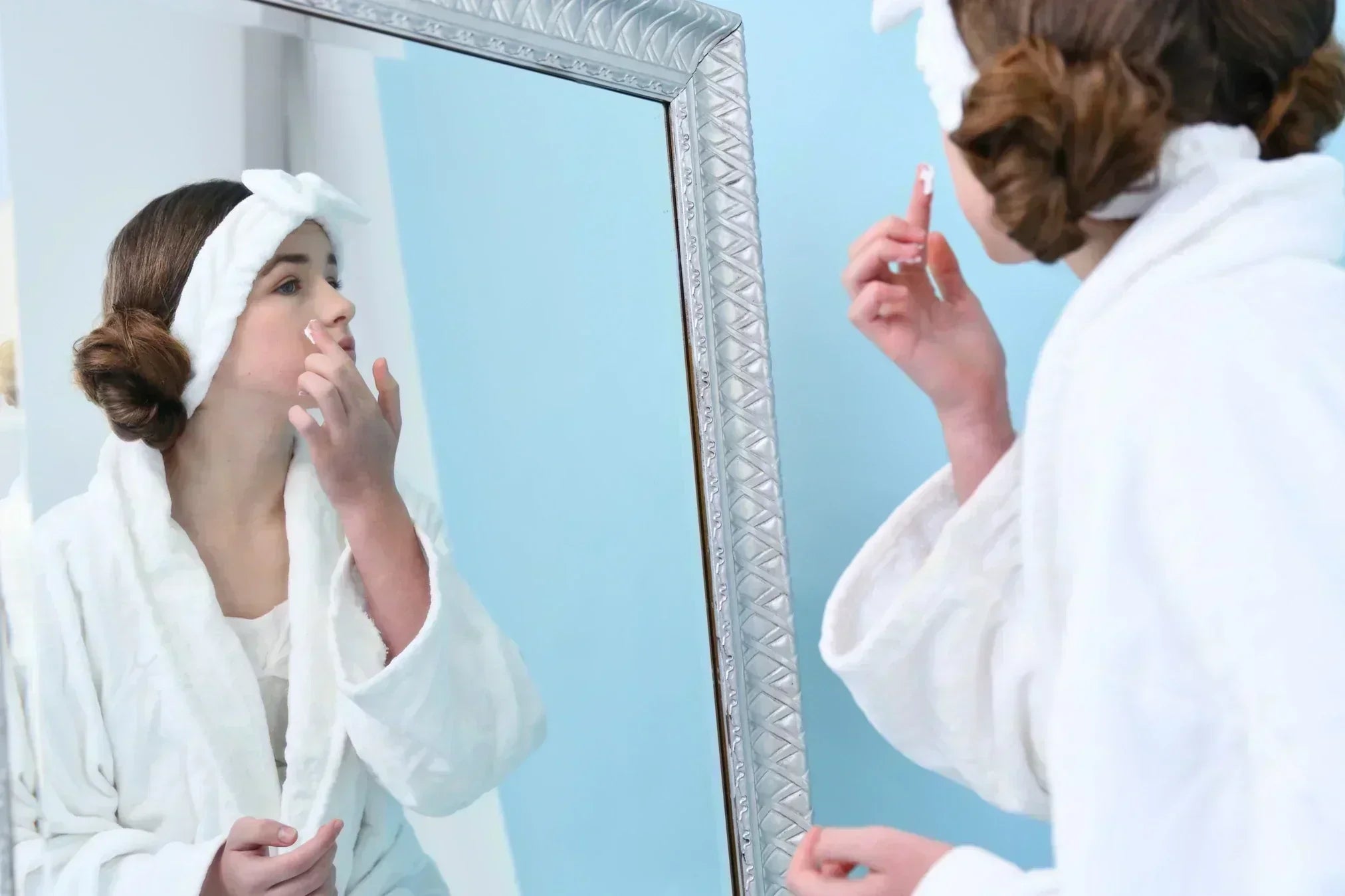
Keeping skin hydrated supports its natural barrier function. A lightweight, gentle moisturiser applied after cleansing helps prevent moisture loss and keeps skin feeling soft and comfortable. Children with dry or sensitive skin will particularly benefit from this step.
Step 3 – Daily Sun Protection
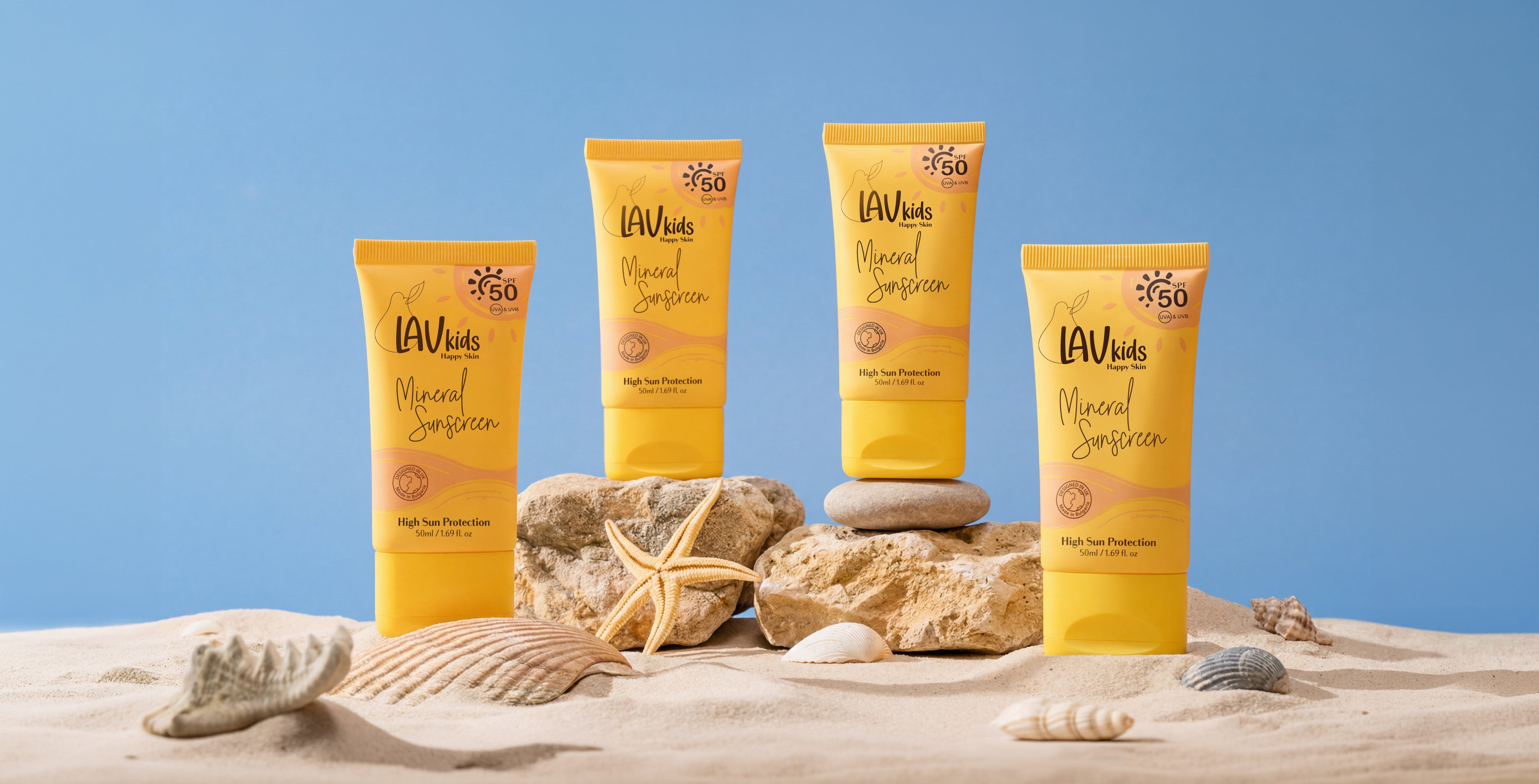
This is arguably the most important step of all. UV exposure during childhood contributes significantly to long-term skin health, and habits formed early often last a lifetime. Applying a broad-spectrum SPF each morning, regardless of the weather, helps protect young skin from sun damage and supports healthy skin for years to come.
A Simple Daily Skincare Routine for Kids and Tweens

The following routine is simple enough for children to follow independently, making it an excellent starting point for tweens developing healthy skincare habits.
Morning Routine
- Gentle Cleanser
- Moisturiser
- SPF Protection
Evening Routine
- Gentle Cleanser
- Moisturiser
That's it. Two minutes in the morning and two minutes in the evening. Simple skincare routines like this are sustainable, age-appropriate and genuinely effective for most children and tweens.
Recommended Starter Routines from Lav Kids
Lav Kids creates gentle, dermatologically tested skincare products specifically for young, sensitive skin. All products are cruelty-free, free from harsh chemicals and common irritants, and formulated with children's skin development in mind.
Daily Face Routine for Everyday Protection
The Daily Face Routine from Lav Kids is an ideal starting point for children, tweens and pre-teens building their first skincare habits. This bundle includes a cleanser, moisturiser and SPF, covering all three essential steps in one simple set. Designed for everyday protection, it supports clean, hydrated and protected skin without making the routine complicated.
Complete Face Trio for Healthy Skin Habits
The Skin Refresh Trio Bundle (Complete Face Trio) combines a facial foaming cleanser, moisturiser and lip butter, making it an excellent starter skincare set for children beginning to explore personal care routines. It is particularly suitable for those who want a simple introduction to caring for growing skin, while also helping with dry or chapped lips.
All-Day Hydration Support
For children who struggle with dryness, the All-Day Face Cream Duo provides dedicated day and night hydration support. Using a daytime and night-time moisturiser helps maintain skin comfort around the clock, making it a practical choice for children with dry or sensitive skin.
Sun Protection Made Easy
The Sun Ready Set makes daily SPF habits easy to establish. Suitable for outdoor activities, school days, sports and holidays, this set encourages consistent sun protection from an early age, one of the most valuable skincare habits a child can develop.
Extra Moisture for Growing Skin
Older tweens and teens experiencing hormonal skin changes may benefit from the Teen Moisturising Face Duo. Formulated to maintain hydration during periods of increased skin activity, this duo supports comfortable, balanced skin throughout adolescence.
Common Skincare Mistakes Parents Should Avoid
Even well-intentioned skincare routines can cause problems if a few common mistakes are overlooked.
Using Adult Skincare Products on Children
Adult formulations often contain active ingredients such as retinoids, AHAs, BHAs and high concentrations of niacinamide that are unsuitable for children's developing skin. Always choose products designed specifically for young, sensitive skin.
Introducing Too Many Products Too Soon
More products do not necessarily mean better skin. Introducing multiple new products at the same time makes it difficult to identify what is working and what may be causing irritation. Start with one or two products and expand gradually if needed.
Overwashing the Skin
Washing the face more than twice a day can strip away the skin’s natural oils and disrupt the skin barrier. Once in the morning and once in the evening is sufficient for most children.
Skipping Daily Sunscreen
Sunscreen is not optional, even on cloudy days or during school hours when children spend short periods outdoors. Making SPF a non-negotiable part of the morning routine is one of the most protective habits parents can establish.
Following Social Media Trends Without Guidance
Not everything trending online is suitable for children. Some viral skincare products contain ingredients that may be harmful to young skin. Parents should research ingredients carefully and, when in doubt, seek advice from a dermatologist.
How to Choose Safe Skincare for Kids

Look for Gentle Formulas
Fragrance-free, dye-free and alcohol-free formulas are generally safer for children's sensitive skin. The fewer the ingredients, the easier it is to identify potential irritants.
Choose Products Designed for Young Skin
Products specifically developed for children, such as those in the Lav Kids range, are formulated with suitable pH levels, ingredient concentrations and textures for growing skin. General adult products do not provide the same reassurance.
Prioritise Hydration and Protection
These two pillars—hydration and sun protection—form the foundation of healthy skincare at any age, but they are especially important for children whose skin is still developing.
Avoid Harsh Ingredients
Avoid products containing alcohol, strong fragrances, parabens, sulphates and artificial colourants. All Lav Kids products are free from these common irritants and are dermatologically tested for use on sensitive skin.
Patch Test New Products
Before introducing any new product into your child's routine, apply a small amount to the inner wrist or behind the ear. Wait 24–48 hours to check for signs of irritation before applying it to the face.
Frequently Asked Questions
Is skincare necessary for a 10-year-old?
A basic skincare routine isn't essential for every 10-year-old, but it can be highly beneficial, particularly if your child spends a lot of time outdoors, has dry or sensitive skin, or is beginning to experience the early signs of puberty. At this age, a simple three-step routine of cleansing, moisturising and applying SPF is usually all that's required.
What skincare products should children start with?
Start with three essentials: a gentle, fragrance-free cleanser, a lightweight moisturiser and a broad-spectrum SPF. Products such as the Lav Kids Daily Face Routine bundle cover all three steps with formulas specifically designed for young, sensitive skin.
Can children use moisturiser every day?
Yes. Daily moisturising is safe and beneficial for most children, particularly those with dry or sensitive skin. Applying a gentle moisturiser after cleansing helps maintain the skin's natural barrier and keeps skin feeling comfortable and hydrated.
Should children wear sunscreen every day?
Absolutely. Daily SPF application is one of the most effective ways to protect children's skin from long-term sun damage. A broad-spectrum SPF should be applied every morning, regardless of the season or weather conditions.
Is a three-step skincare routine enough for tweens?
For most tweens, yes. Cleansing, moisturising and sun protection provide the foundations of healthy skin. Additional steps, such as targeted treatments, are rarely necessary unless a specific skin concern has been identified.
What ingredients should parents avoid in children's skincare?
Avoid products containing synthetic fragrances, alcohol, sulphates, parabens, retinoids and high concentrations of active acids such as AHAs or BHAs. These ingredients are formulated for adult skin and may cause irritation, disrupt the skin barrier or lead to other adverse effects on young skin.
Building Confidence Through Gentle Skincare
There is no single ideal age to begin a skincare routine. For many children, the ages of 8 to 12 provide a sensible starting point. At this stage, they are usually capable of following simple steps independently while still being young enough to establish healthy habits before significant skin changes begin.
The key is to keep the routine straightforward: cleanse, moisturise and protect from the sun. Choosing gentle, age-appropriate products specifically formulated for young skin, rather than using adult skincare products, helps make the experience both safe and manageable for children and parents alike.
Good skincare habits are not about following trends or striving for flawless skin. Instead, they help children develop confidence, understand the importance of self-care and take pride in looking after themselves. By introducing skincare gradually and selecting products suited to young skin, parents can encourage a routine that is both enjoyable and beneficial.
As children grow, their skincare needs may evolve, but the fundamentals remain the same: keeping skin clean, moisturised and protected. Establishing these simple habits early can support healthy skin for years to come while also encouraging independence and responsibility. With the right guidance and child-friendly products, skincare can become a positive and valuable part of everyday life.