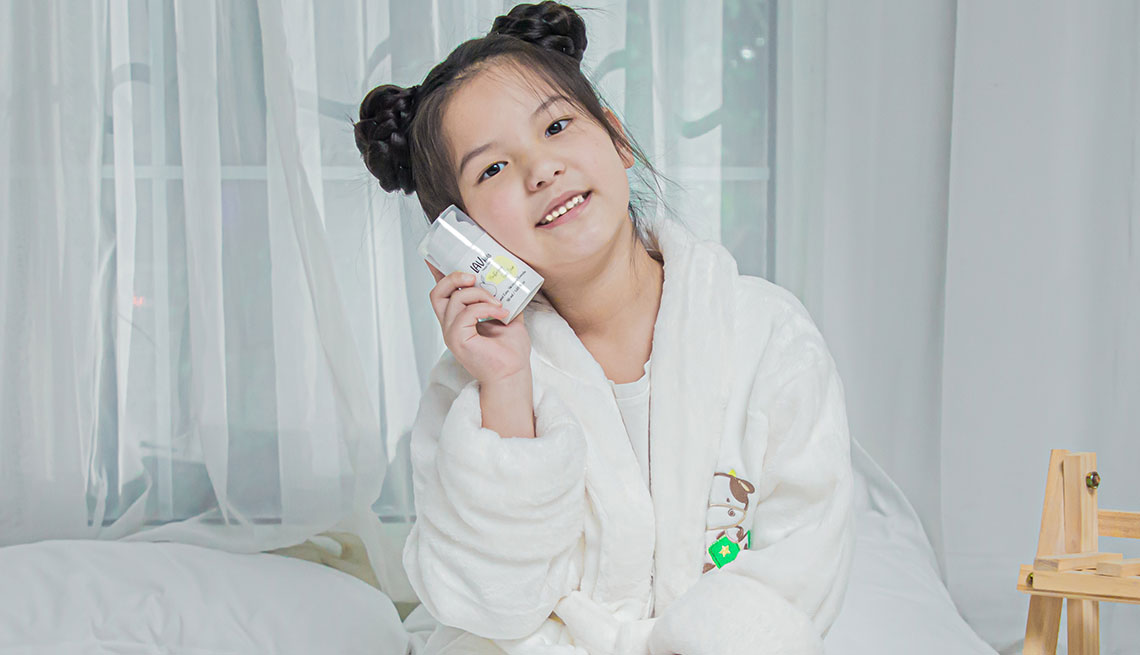
The Complete Guide to Salicylic Acid Cleansers For Kids
Salicylic acid is a proven acne-fighting ingredient, but when it comes to kids’ skin, using it correctly matters more than using it early.
Many parents start searching for a salicylic acid cleanser when their child begins to show early signs of acne, oiliness, or small bumps around the nose and forehead. These changes often appear during the tween and early teen years, when hormones start affecting the skin. While acne can be mild at this stage, parents naturally worry about safety, irritation, and whether acne-fighting ingredients are too strong for young skin.
Salicylic acid is well known in adult skincare, but its use for kids needs more care. Children’s skin is thinner, more sensitive, and still developing. That means products must be chosen and used differently from adult formulas.
This guide covers what salicylic acid is, how it works, when it’s appropriate for kids, and how to use it safely. You’ll also learn how to choose the right product and avoid common mistakes that can irritate young skin.
Key Takeaways
- Salicylic acid can help manage mild acne, blackheads, and excess oil in tweens and teens when used in low-strength formulas.
- Kids’ skin needs gentler concentrations and fewer applications than adult skincare routines.
- A cleanser with salicylic acid works best when paired with moisturising and soothing ingredients.
- Overuse or adult-strength products can damage the skin barrier and cause dryness.
- Simple routines and consistency matter more than strong treatments.
What Is Salicylic Acid and How Does It Work?
Salicylic acid is a beta-hydroxy acid (BHA) commonly used to treat acne and clogged pores. It is oil-soluble, which means it can move through the skin’s natural oils and reach inside pores. There, it helps loosen and remove dead skin cells, excess oil, and dirt that can lead to blackheads and pimples.
For kids and teens, this matters because early acne usually starts inside the pore, not just on the surface. A facial cleanser with salicylic acid gently cleans from within the pore rather than scrubbing the skin from the outside. This makes it more effective and less abrasive than physical exfoliating scrubs.
Adult products often contain higher concentrations designed for thick, resilient skin. Kid-friendly formulas use much lower levels and focus on cleansing rather than aggressive exfoliation. The goal is prevention and gentle control, not stripping the skin.
Is Salicylic Acid Safe for Kids’ Skin?
Salicylic acid can be safe for kids, but age and formulation matter.
Pre-teens (around 9–12 years)
At this age, skin changes are usually mild. If breakouts are small and occasional, daily gentle cleansing without actives may be enough. Salicylic acid should only be introduced if oiliness or clogged pores are persistent, and even then, at very low concentrations and limited use.
Teens (13+ years)
As hormones increase oil production, acne may become more noticeable. A low-strength salicylic acid cleanser can help manage breakouts when used correctly.
Parents should avoid salicylic acid if the child has very dry skin, eczema, open cuts, or ongoing irritation. It should also be avoided if a child experiences stinging or redness after use, even with low concentrations.
Benefits of Using a Salicylic Acid Cleanser for Kids

One of the main salicylic acid face wash benefits is its ability to reach deep into pores. It dissolves oil, dirt, and dead skin cells that collect inside follicles, helping prevent acne, blackheads, and whiteheads. This is especially helpful for tweens and teens who are seeing their first breakouts.
Unlike rough scrubs or harsh brushes, salicylic acid exfoliates gently. It removes dead skin cells gradually without scratching the skin. This helps smooth texture while protecting the skin barrier. For kids with mild acne or oily skin, this approach reduces irritation and keeps skin balanced.
Salicylic acid also has calming properties. It can reduce redness around small pimples, making breakouts look less inflamed. When used sparingly, it supports clearer skin without overwhelming young, sensitive skin.
Why Choose a Salicylic Acid Cleanser for Teenagers?
A salicylic acid cleanser for teenagers can be an effective way to support clearer, healthier-looking skin during the teen years. Hormonal changes often lead to excess oil production, which can clog pores and contribute to blackheads, whiteheads, and blemishes. Using a salicylic acid cleanser regularly helps remove dirt, oil, and dead skin cells that build up on the skin's surface.
One of the main benefits of a cleanser with salicylic acid is its ability to penetrate deep into pores and help keep them clear. Unlike some harsh skincare products, a well-formulated salicylic cleanser can gently exfoliate the skin while maintaining its natural balance. This makes it a popular choice for teenagers who want a simple yet effective addition to their daily skincare routine.
When choosing a cleanser salicylic acid formula, it's important to look for products designed specifically for young or sensitive skin. A high-quality salicylic acid cleanser for teenagers can help reduce the appearance of blemishes, improve skin texture, and promote a fresher complexion over time. Consistent use, combined with a suitable moisturiser and sunscreen, can support healthy skin throughout the teenage years.
How to Choose the Right Salicylic Acid Cleanser for Kids
Choosing the right product is more important than choosing the strongest one.
Check the concentration
Look for a salicylic acid cleanser with a low concentration, ideally between 0.5% and 1%. This range helps clear pores while minimizing dryness and irritation. Higher percentages are designed for adults and can be too harsh for kids.
Look for soothing ingredients
A good face wash with salicylic acid should include calming and hydrating ingredients such as aloe vera, glycerin, or ceramides. These support the skin barrier and reduce the chance of redness or tightness.
Avoid unnecessary additives
Skip products with strong fragrance, alcohol, or harsh foaming agents. Simple formulas work best for young skin.
How to Use a Salicylic Acid Cleanser Safely
A gentle routine keeps kids’ skin healthy and stress-free.
Step-by-step routine:
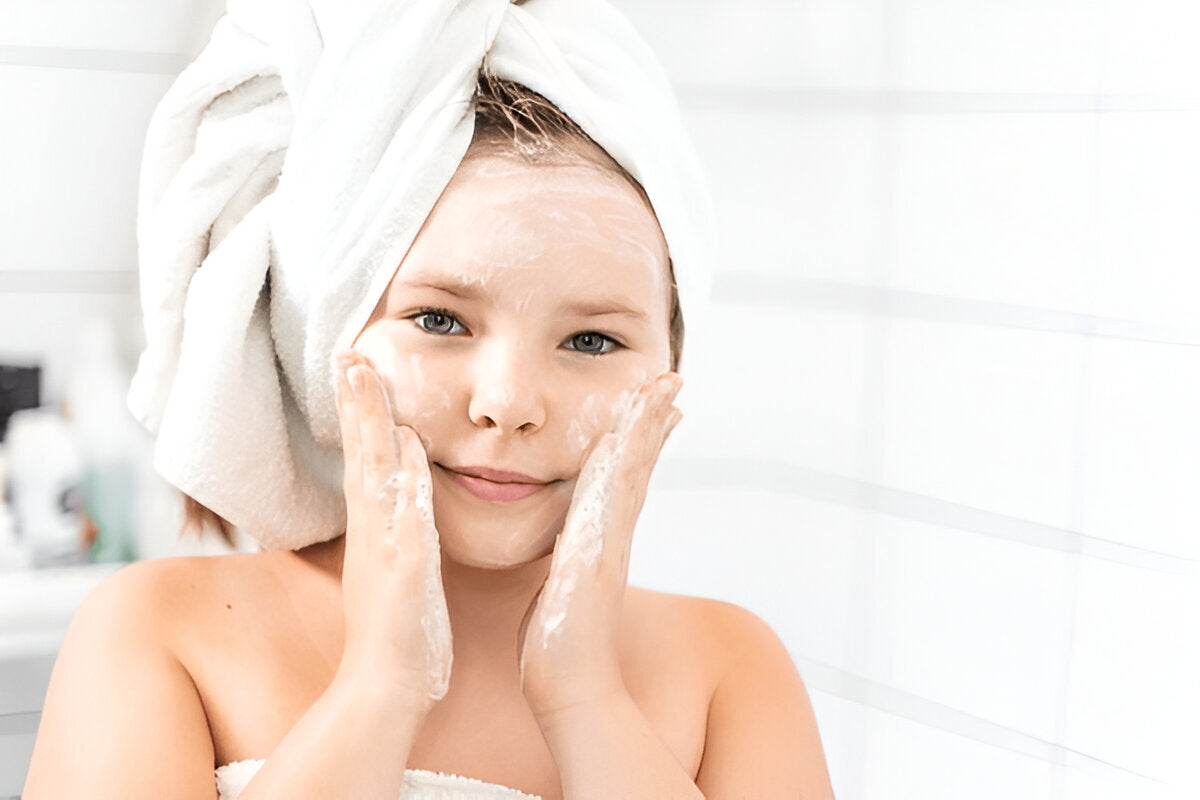
- Wet the face with lukewarm water.
- Use a small amount of cleanser and massage lightly for 20–30 seconds.
- Rinse thoroughly and pat dry with a soft towel.
- Apply a light, fragrance-free moisturizer.
How often to use it
Start with 2–3 times per week. If the skin stays calm and clear, frequency can increase to once daily for teens. Daily use is not necessary for younger kids.
Moisturizing matters
Even oily skin needs hydration. Moisturizing after cleansing helps maintain balance and prevents dryness caused by active ingredients.
Common Mistakes Parents Should Avoid
Even gentle skincare can cause problems if it’s used the wrong way. Being aware of these common mistakes helps protect your child’s skin and prevents unnecessary irritation.
Overusing exfoliating cleansers
Using salicylic acid too often can lead to dryness, peeling, and sensitivity. More product does not mean better results.
Using adult acne products
Adult formulas usually contain higher concentrations or multiple actives. These can irritate kids’ skin and worsen breakouts.
Skipping patch tests
Always test new products on a small area of skin before full use. This simple step can prevent reactions and discomfort.
Conclusion
A salicylic acid cleanser can be a helpful option for kids when used carefully and thoughtfully. The key is choosing gentle, low-strength formulas made with young skin in mind. When paired with proper moisturizing and limited use, salicylic acid can support clear skin without disrupting the skin’s natural balance.
Parents play an important role in guiding early skincare habits. Keeping routines simple and mindful helps children learn how to care for their skin as it grows and changes.
FAQ’s
What is the best facial cleanser with salicylic acid?
The best option is one with low salicylic acid concentration and added soothing ingredients, designed specifically for kids or teens.
Can salicylic acid cleanser clear acne?
Yes, it can help manage mild acne by keeping pores clear and reducing oil buildup when used consistently and gently.
Is it okay to use a salicylic acid cleanser every day?
For teens, daily use may be suitable if the skin tolerates it well. Younger kids should use it only a few times a week.
Is salicylic acid face wash safe for kids?
It can be safe when used in low concentrations, with parental guidance, and as part of a simple, gentle skincare routine.
Is salicylic acid cleanser safe for kids?
Salicylic acid cleanser can be suitable for some children, but it should be used carefully and at an age-appropriate concentration. For younger or sensitive skin, choose a gentle formula and introduce it gradually. If your child has persistent skin concerns or irritation, speak with a dermatologist before using a salicylic acid cleanser for kids.